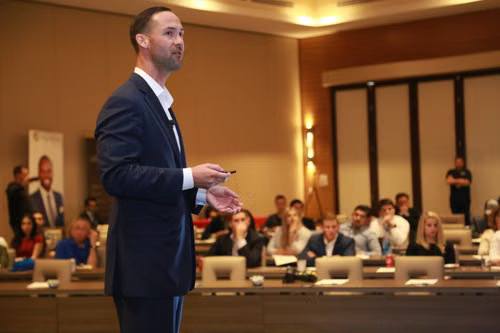
Safety conferences have a reputation problem. Attendees expect slides, statistics, and a long afternoon of nodding politely. The organizers who break that pattern usually do it with two bookings, not one. A motivational safety speaker gives the day its message, and the right entertainment gives the day its memory. People forget data within a week. They rarely forget how a session made them feel.
That’s where a mentalist for corporate events comes in. At first, it sounds like an odd fit for a safety agenda. Stay with the idea for a moment, because the pairing works better than most planners expect, and the reason comes down to attention.
What a Motivational Safety Speaker Actually Changes
A strong safety talk does not list rules. It tells stories about real consequences, the kind that make a warehouse supervisor or a site foreman think about their own habits on the drive home. Speakers who have lived through an incident, or spent years studying why people take shortcuts, speak with a weight a policy manual never will.
The best sessions shift attitude, not just awareness. Attendees already know they should wear the harness. A motivational safety speaker helps them understand why they sometimes choose not to, and what that choice can cost the people waiting for them at home. That is a different kind of lesson.
Where a Mentalist for Corporate Events Fits the Agenda
Now for the attention problem. Safety content is heavy by nature, and a full day of it wears down an audience. Energy dips after lunch. Phones come out. A mentalist for corporate events solves this in a way that feels connected to the theme, not bolted on.
Here is why. Mentalism is built on perception, focus, and the tricks the mind plays on itself. Those are the same forces behind most workplace incidents. A performer who appears to read thoughts or predict choices leaves the room with people asking how much they really notice in a day. Some planners even ask the performer to tie a routine back to on-the-job awareness, which lands surprisingly well.
Structuring the Day Around Both Bookings
Order matters more than most people think. A common approach places the speaker in the morning, when minds are fresh and ready for a serious message. The mentalist then anchors the after-lunch slot or the evening dinner, when the room needs a lift.
Let’s break it down into a simple shape:
- Morning keynote from the safety speaker sets the tone.
- Breakout sessions apply the message to daily work.
- Afternoon or dinner performance restores energy and rewards attention.
The two bookings pull in the same direction. One makes the stakes real. The other makes the day worth attending.
Questions to Ask Before You Book Either One
Watch full performance videos, not highlight clips. Ask the speaker about their background and whether they can reference your industry. Ask the performer whether the material stays clean and appropriate for a mixed professional crowd. Lead time matters too, since in-demand talent for peak conference season often books months ahead.
Budget also deserves an honest conversation. Ask what the fee covers, including travel and technical needs, so nothing surprises you later.
Next Steps for Your Safety Conference
Think about what you want people repeating in the hallway afterward. If the answer is both the message and the moment, plan for both. An experienced booking advisor can help you weigh speakers and performers against your audience, agenda, and budget, and suggest pairings that have worked for similar events.