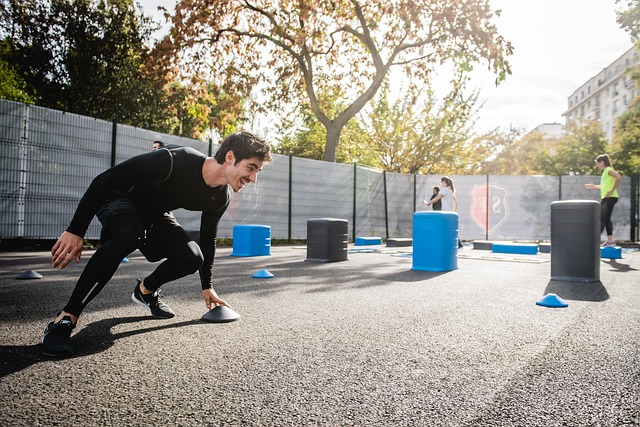
A workout is a period of physical exercise or training. Exercises can be simple or complex and include a variety of muscle groups.
The ultimate goal is to make exercise a regular part of your routine. If working out is not a priority for you, it will be difficult to achieve your fitness goals.
Exercises
Everyone needs to exercise to stay healthy, but many people have trouble deciding how much to do. In general, it’s best to get the most out of a workout by starting with small achievable goals and slowly increasing the intensity or pace of an activity. It’s also important to keep the body from getting used to one activity or to one set of exercises by varying the routine periodically.
The most common types of exercise are aerobic activities such as running or walking and strength training, which strengthens the muscles. Aerobic exercises burn calories and help a person maintain a healthy weight, while strength training increases muscle mass and helps a person burn more fat, even when at rest.
Regardless of the type of exercise, it’s recommended that a person warm up for about 10 minutes with dynamic stretches that stretch the major muscles to be worked and by gradually increasing the intensity of an activity. Afterward, it’s wise to cool down for another 10 minutes by stretching again.
Experts tend to favor exercises that work multiple muscles at once, such as squats or standing lunges. It’s also a good idea to vary the number of sets performed and the number of repetitions (reps). In general, it is generally recommended that a person do one or two strength training sessions per week and allow 48 hours for recovery between each session.
Equipment
Equipment consists of the tools you use to accomplish a task. A motherboard and a graphics processor might be considered equipment, as could duct tape or a circular saw. It could also refer to a piece of gym equipment, such as a treadmill or elliptical trainer. The word equipment is formed from the common verb equip, which means to supply someone with what she needs to do something.
If you’re using a new machine or piece of fitness equipment, take the time to learn how it works and what the different parts are for. This will help you get the most out of your workout and prevent injury.
It’s a good idea to do a dynamic warm-up, such as jogging or jumping jacks, and a cool-down before using the equipment. This will increase blood flow and improve flexibility, reducing the risk of injury and speeding recovery. It’s also important to wash your hands before and after exercising, especially before touching equipment. This can help reduce the spread of pathogens such as staphylococcus aureus, which can cause anything from minor skin infections to life-threatening sepsis.
When you’re in a group exercise class, arrive a few minutes early to meet the instructor and feel out the space. This will allow you to start your workout in a controlled manner, without sneaking in, darting around and distracting other participants. It’s also a good idea to ask for assistance from a member of the gym staff if you need it. They can show you how to adjust the equipment properly, including squat rack and Smith machines, explain how to perform exercises like lat pull-downs and assisted pull-ups, and answer any questions you may have.
Time
The time it takes to complete a workout depends on the individual and his fitness goals. A triathlete or ultramarathon runner might spend much more time training than someone simply trying to lose weight and get healthier. Additionally, workout duration can also depend on other factors such as work and family schedules and how well the individual recovers outside of exercise.
For example, someone who has young children or a very physical job might need to schedule longer workouts on weekends. This gives them a chance to get home and rest before their next workout.
In addition, the time it takes to set up and break down equipment can add to the overall workout duration. As a general rule, add about 10 minutes to the estimated workout time to account for collecting and assembling equipment, adjusting or sanitizing it, and then disassembling and returning it to its proper place.
Motivation
Having the right motivation is important for anyone trying to stay on track with a workout routine. Whether you are training for a marathon or just looking to lose weight, your workout needs to be something that motivates you on a regular basis. This can be done by setting realistic goals and by keeping track of your progress. It is also helpful to find ways to make exercise more enjoyable. For example, a recent study showed that listening to audiobooks during a workout can increase the motivation to exercise.
While many people start a workout with what is called extrinsic motivation, or a motivation that comes from outside of themselves (such as wanting to fit into a pair of jeans or being motivated by a competition), it is more common for people to start exercising with intrinsic motives. These are motives that come from inside of yourself (such as a desire to challenge oneself or a desire to improve/preserve health). Intrinsic motives also tend to predict more long-term adherence to exercise than extrinsic motives.
Despite this, it is possible to experience a decrease in intrinsic motivation over time. This may be caused by a lack of enjoyment or a feeling that exercise is not making an impact on the body. To help maintain a high level of intrinsic motivation, it is helpful to keep in mind the benefits of exercise: it boosts endorphins, makes you feel happier, and gives you more energy throughout the day.