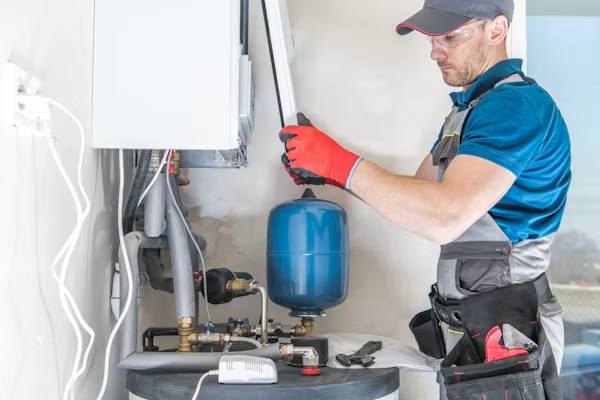
A softener arrives on a pallet, wrapped in plastic, looking like the end of a hard water problem. It is not. What happens after delivery decides everything, and that work belongs to a highly trained plumber who understands how Phoenix homes are piped. Equipment sitting in a garage treats nothing, no matter how good the brochure looks.
Where the Delivery Truck’s Job Ends
Hardware Alone Solves Nothing: A tank, a brine bin, and a control valve are just parts until someone ties them into the main line correctly. A plumber reads the existing setup first, checks where the water enters the house, and finds a drain route that meets the required code. Guesswork here costs money later, sometimes in ways that show up months down the line.
Treatment Built around the Whole House: Proper water conditioning covers every fixture fed by the main supply, not one faucet under the kitchen sink. The install point matters. Place it wrong and an outdoor spigot pulls treated water it never needed, while the heater keeps scaling on the inside where nobody looks. That single choice sets the cost of everything downstream.
Reading a Home’s Plumbing before Anything Gets Installed
Mineral Damage Already Underway: Before sizing anything, a technician looks for hard water effects that have already taken hold. Crusted aerators. White film on glass shower doors. Water heaters running hot and loud because a mineral bed sits on the burner plate. Those clues shape the recommendation more than any sales sheet ever will, and they rarely lie.
Bypass Loops, Drains, and Power Access: Most homes need a bypass loop so the softener can be serviced without shutting off the whole house. A plumber builds that loop, runs the discharge line to an approved drain, and confirms a grounded outlet sits close enough. Small details, skipped by amateurs, that later turn into leaks or a failed inspection.
What Changes after the Minerals Come Out
Numbers That Decide the Right Setup: A quick test tells you the water hardness levels coming into the property, measured in grains per gallon. Valley water runs high. That number, paired with how many people shower and run laundry each day, sets the grain capacity and how often the system regenerates. Undersize it and the softening quits by evening.
Cleaner Glassware and Longer Fixture Life: Homeowners notice the small things first. Glasses come out of the dishwasher clear. Soap lathers without half a cup of detergent. Done correctly, water conditioning slows the scale that shortens the life of water heaters, faucet cartridges, and the valves buried inside a washing machine. Limescale rings around the drain stop coming back so fast.
- Shower doors that stay clear for weeks, not days
- Less detergent per load, which shows up on the grocery bill eventually
- Water heaters holding their rated output well past the warranty window
- Aerators that stop clogging every few months
- Towels feel softer. And colors hold longer.
Softer Water Starts with One Honest Assessment
The equipment matters less than the hands that install it. A highly trained crew tests the supply, sizes the unit for the household, and ties it in so the whole house benefits. Phoenix homes take enough abuse from the heat already. Schedule a professional water assessment and installation quote before the next appliance gives out.